

Over 100 years of being ace
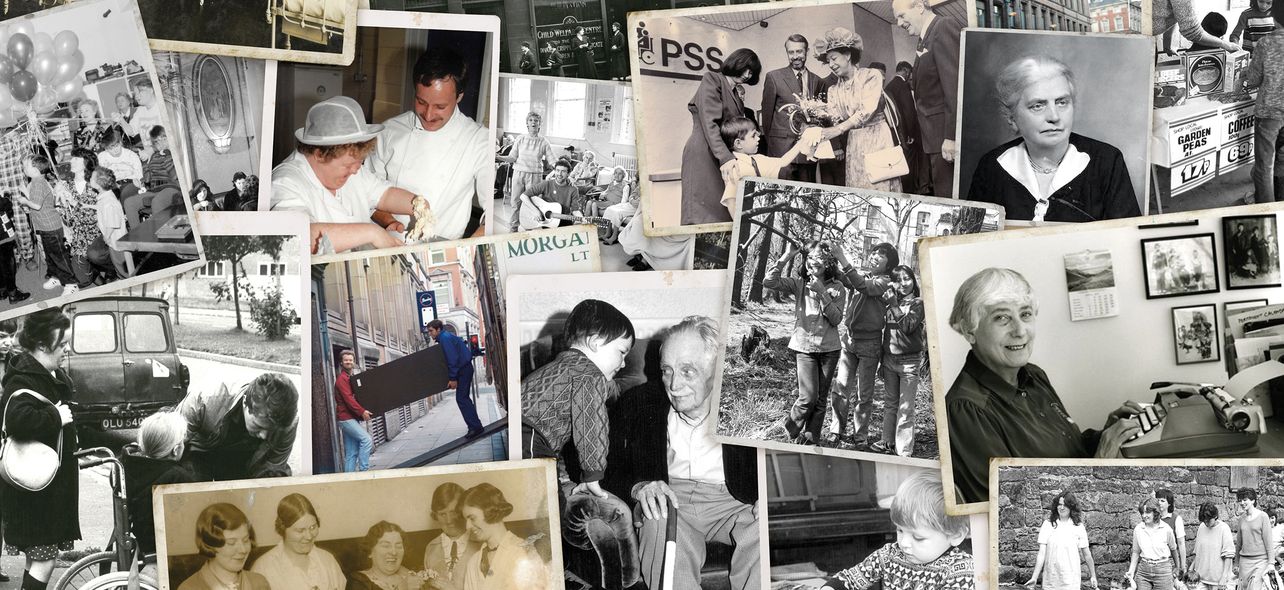
Founded by the wonderful Eleanor Rathbone and Dorothy Keeling back in 1919, PSS has always been a firecracker, beginning its life with the title Liverpool Personal Services Society. Our motto was: ‘a society for any citizen in difficulty’ – and that is exactly what we were, and what we are today. For the last 100 years, we’ve been providing services that change people’s lives for the better.
Social care's secret ingredient
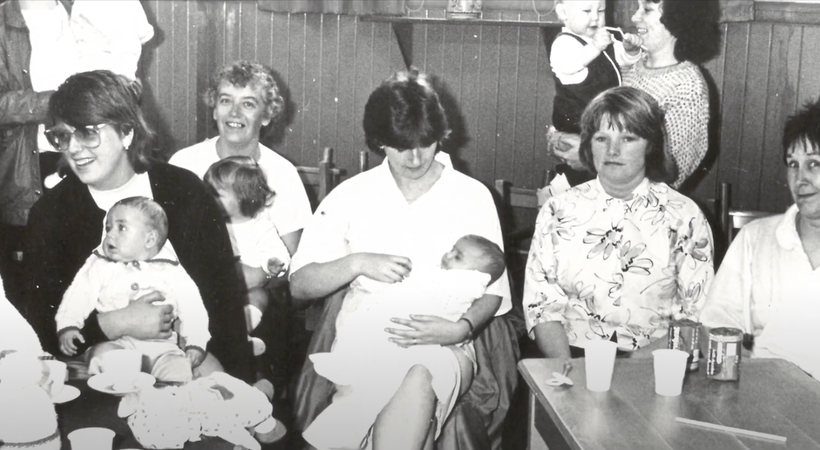
From our Liverpool home, we’ve been responsible for starting a whole host of social movements, believing in and passionate about making sure all people matter, moving and shaking the first services of their kind across many different disciplines of social care. PSS kicked off a ton of recognisable names, too
The PSS timeline
| 1920 | Started the first ever Legal Aid service from our humble first offices on Stanley Street in Liverpool. |
| 1921 | Developed the first ever social care student placement with University of Liverpool - and we're still offering placements today! |
| 1927 | Before the national scheme started in 1940, we founded The Old People's Welfare Committee, which decades later became Age UK. |
| 1928 | Got together with some local friends and kicked off Liverpool Improved Houses, now known as Riverside. |
| 1936 | PSS was one of the first organisations to give people support with their marriage, with a service called The Unhappy Domestic Relationships and Marriages Service (snappy, right?). This later turned into Relate. |
| 1939 | During the Second World War, people’s homes were being destroyed, children were being evacuated and lots of people were in real need of advice and information about what to do next. The government hatched a plan to help, and we helped make it happen. Working with other voluntary organisations, we opened 18 of the first ever branches of the Citizen’s Advice Bureau around Merseyside. |
| 1943 | Our Old People’s Welfare Committee were ahead of the curve, and were one of the first to start providing home helps for older people. Today, it’s more commonly known as domiciliary care. We did this with our friends at the Queen Victoria District Nursing Association. |
| 1953 | We started our Family Rehabilitation Scheme - the first in the county to help families experiencing difficulty stay together and work through their problems. This paved the way for the UK’s modern day ‘Troubled Families’ agenda. |
| 1961 | We set up Merseyside Far Eastern Ex-Prisoners of War Association, which helped those affected by experiences of war and imprisonment in Burma and India. At a time when there was a big stigma around mental health and many mental illnesses were still unrecognised, there were no services around to support people with post-traumatic stress disorder. We wanted to change that and bring people who’d been through similar things together, so they didn’t feel so alone. That’s when we started the Merseyside Far Eastern Ex-Prisoners of War Association. |
| 1966 | We took on the country's first young person's advisor, to give counselling to young people in Merseyside. Once we realised just how much this service was helping, we took on even more people to help. Later on, we let this service go so it could flourish into its own charity. |
| 1970 | Always a firm believer that your mental health is just as important as your physical health, we were one of the first organisations to provide nurses with post-graduate training in children’s mental health. |
| 1976 | We opened the doors to our Family Clubhouse in Kirkdale, which existed to support deprived families. It was our version of today's Family Hubs, except we took whole families on day trips and holidays as part of our support. |
| 1978 | We founded Shared Lives. Possibly one of our proudest achievements. Shared Lives started off as a service called... wait for it... 'Adopt a Granny' (shocking, we know. We can only apologise!) based on the fact that it started when the government started closing down old ‘institutions’ for mental health patients, and lots of older people had nowhere to go. The service meant that instead of getting passed to another institution to be cared for, these people could go and be supported in a homely environment by a carer and their family. Started with PSS volunteers, it's now a national service in its own right where trained carers are paid to support anyone who needs it. Shared Lives is our baby, and we love it. |
| 1984 | Our Care in the Community Scheme was created to support people with mental health difficulties in their communities – going against the general idea of the time that people with mental health difficulties should be institutionalised. This inspired lots of other organisations to do the same thing. |
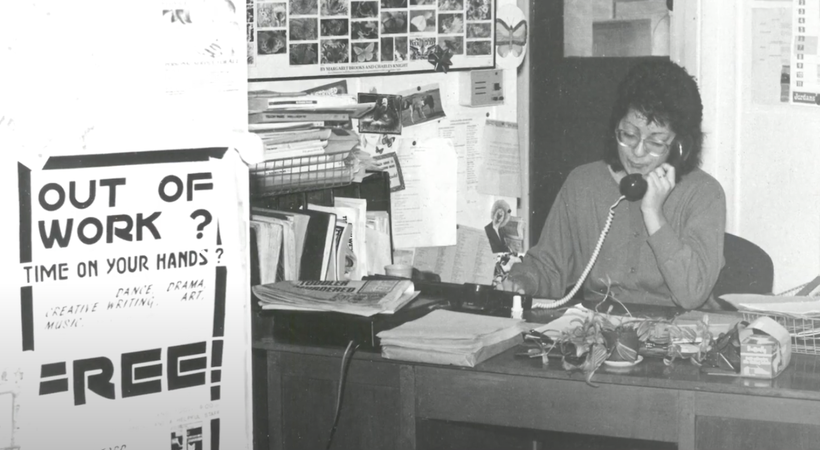
| 1990 | We started the country’s very first service for young carers. Our Young Carers Service supported young people providing care to a member of their family. Our support workers helped young carers through challenging and emotional times in their lives, gave them space and time to unwind and feel like children, and gave them a sense of community with other young carers. |
| 1997 | We started a service to raise children's voices during custody battles. Our service was known as the ‘Merseyside Family Mediation service’ and was created to provide advice and support around custody decisions. The big focus of this service was to make sure that the views of the child involved where heard and reflected throughout. |
| 2002 | We launched our Siblings service, for the brothers and sisters of disabled children. Over the years of working with people, we learned how hard it can sometimes be for brothers and sisters of disabled children - and we wanted to help. That’s when we became one of the first to create a specialist project designed to support them, called Siblings. |
| 2003 | Developed the first specialist training programme for interpreters working with asylum seekers in counselling. We had a service called Spinning World, which provided counselling support to asylum seekers, so we knew just how traumatic some of the experiences of asylum seekers can be. As many asylum seekers don’t speak English fluently when they come to the UK, communication can become a barrier to helping them express themselves and cope with trauma. We developed the UK’s first specialist training programme for interpreters, which allows them to help with counselling asylum seekers. |
| 2008 | We started TRIO, the UK's first dementia support service where, instead of supporting people with on a one-to-one basis, we decided to try teaming a support worker up with two people, instead. With both people going through the same thing, our service gives people with memory problems some companionship, and a bit of support from someone else who knows exactly what it’s like. |
| 2010 | We started our Prisoners’ Families service, one of the first of its kind to support the children of people in prison. |
| 2017 | We launched Left Behind, the first training course in the UK to train teachers on how to sensitively support children with a parent in prison. |
Where we saw a need for change, we approached gently, listened closely, imagined the possibilities and came back with a service that fit the bill. Thing is, even when we didn’t come up with the idea ourselves, those around us knew they could trust us to do what’s right.
'What ought to be done, can be done'
Our founder Eleanor Rathbone said ‘What ought to be done, can be done’ and when everyone else was turning a blind eye or unsure of how to help people in their time of need, we said ‘we hear you, let’s see what we can do’. We’ve always been unapologetically different, a rebel with a gritty and heartfelt cause – and although our organisation has grown and developed in so many ways since 1919, that’s never changed – and it never will.
More information about PSS
What we do
PSS is here to help people live happy, hopeful lives
How we can help
There are lots of ways we can support you to live your life beyond limits.
Work with us
We're looking for some more wonderful people to join our team.