


Person-centred care and support in England and North Wales
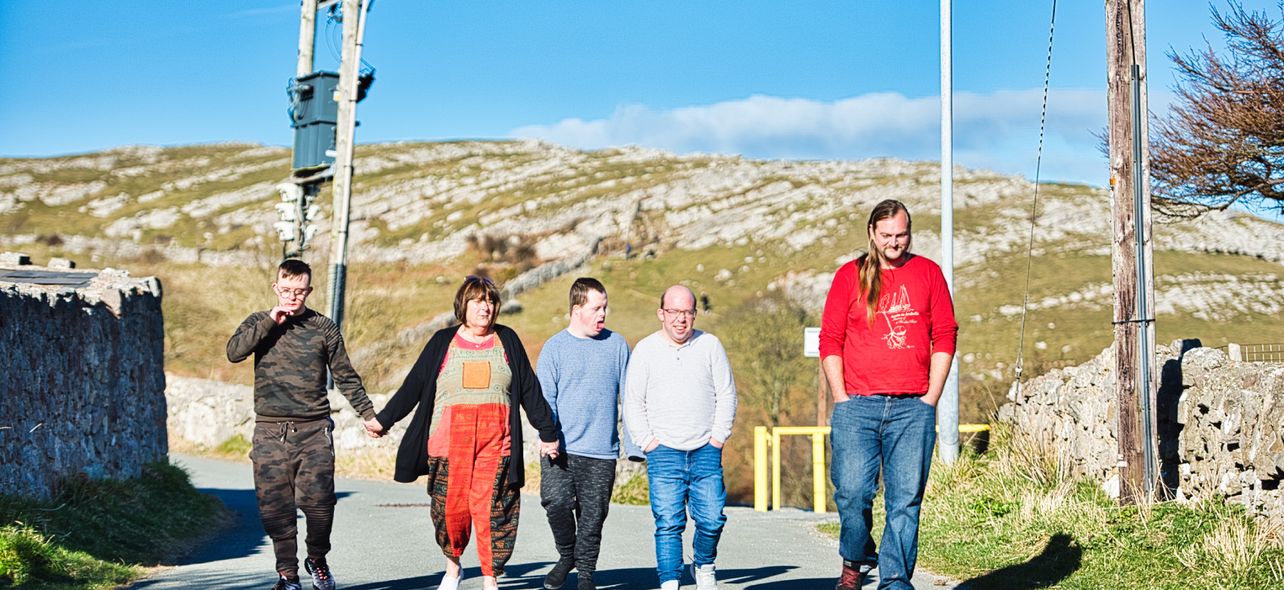
PSS Shared Lives is a bit like fostering, but with the big difference that it’s for people over 16 (or over 18 in North Wales) with support needs, who want to live as independently as possible.
Closely monitored by the Care Quality Commission (CQC) and Care Inspectorate Wales, with six different support options, Shared Lives is flexible support that can work for people from all walks of life, with all levels of need.
An alternative to care homes provided by trained Shared Lives carers
With PSS Shared Lives, person-centred care is provided by specially-recruited and trained PSS Shared Lives carers. They share our values and put the people we support first, empowering them to reach their goals. Shared Lives is all about choice, and giving people the option to be supported exactly how they want to be.
Shared Lives carers support people from their family homes, meaning care is given in a warm, homely environment within local communities, instead of in a care home.
PSS Shared Lives:
- is a cost-effective form of care, provided in the community;
- is personalised to each person who uses the service – meaning they receive care that is tailored to them;
- is incredibly safe and carefully monitored by social care experts at PSS, CQC and CIW;
- reduces social isolation;
- encourages people to live independently within the safety of a family home and learn new ways to be self-sufficient;
- helps to reduce bed blocking in hospitals by getting people back on their feet again safely;
- helps people stay in touch with their family, friends and communities while they receive support; and
- leads to improved wellbeing and physical health.
Who can PSS Shared Lives carers support?
We know Shared Lives works for people who:
- have a learning or physical/sensory disability;
- are a new mum or dad with support needs and would like some help to learn parenting skills;
- are seeking asylum in the UK;
- are experiencing a mental health problem;
- are recovering from a drug or alcohol addiction;
- are a younger person leaving foster care;
- leaving hospital and need short-term care while recovering; or
- already get care but want to have a bit more choice about how it works.
What can PSS Shared Lives carers support with?
Shared Lives carers can support people with low-level or high support needs, including:
- Personal care
- Leaving foster care
- Cooking
- Mental health challenges
- Parenting skills
- Finding a job
- Cleaning
- Going on holiday
- Taking medication
- Going to appointments
- Sorting out finances
- Keeping in touch with friends and family
- Getting into volunteering
- Finding new hobbies
- Completing education
- Learning life skills
- Having a relationship
- Using the internet and other tech
- Meeting new friends
- Being part of the community
- Getting out and about
- Doing exercise safely
Where in England and Wales does PSS run Shared Lives?
PSS provides Shared Lives in:
- Manchester
- Merseyside
- Wales (for people over 18 years)
- Staffordshire
- Norfolk
- Suffolk
- Lincolnshire
- North Yorkshire
I used to live in supported living and I hated it. But this is so different, it doesn't feel like care, it just feels like my family. I never used to go out much, but now I'm never in. I go on holiday with Nisha and Chloe, I've gone back to college and made loads of lovely new friends, I take my meds properly every day now because Nisha helps me, and I'm looking for a job. One day, I want my own house. I can't believe this is my life.
- Chelsea, supported by Chloe and Nisha
PSS Shared Lives care and support options
Live-in care and support
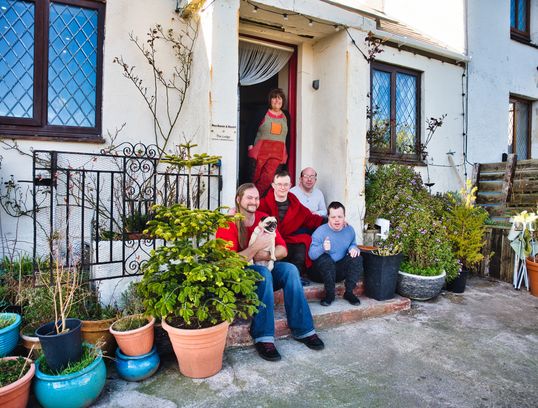
Shared Lives Live-in works for people who would benefit from living full-time with a carer, in the carer's home.
We would match the person who needs support up with a carer who lives in a home that is fully accessible to them, and based on what the person we support wants and needs.
This option is for both short-term or long-term care arrangements.
Day support
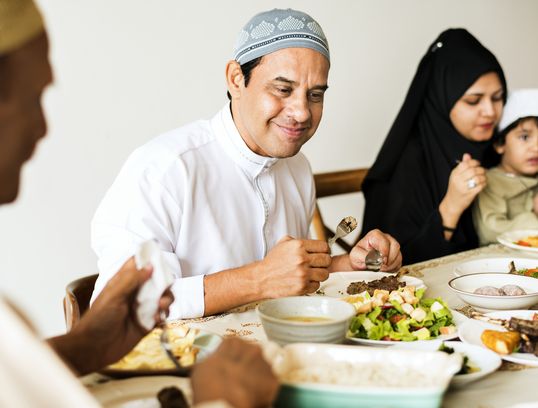
Shared Days arrangements are about giving people the opportunity to live their days how they want to, by sharing them with one of our Shared Lives carers.
Our carers support people to reach their goals, either out-and-about or at the carer’s home; helping people feel connected to their communities and stay well and happy.

Support for young people leaving care
With PSS Shared Lives: Moving On, young people who have aged out of the children's care system but don't feel ready to be fully independent, or they have support needs, can go and live with a Shared Lives carer.
Their Shared Lives carer will support them as much or as little as they need to help them meet their objectives – whatever they may be. These arrangements are usually short-term, but are open-ended.
Keeping foster carers and foster children together
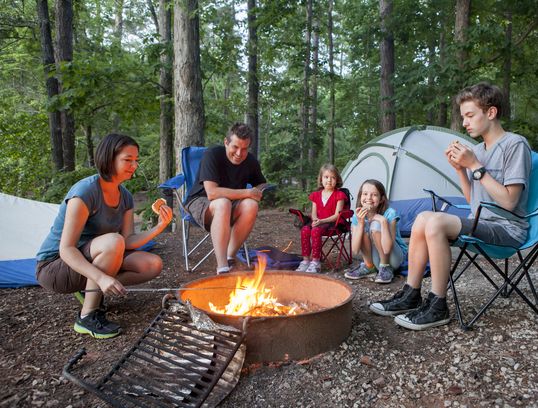
If a foster carer wants to continue providing support to a young person when they reach 16 (or 18 in Wales), and if the young person also wants to continue being supported by their foster carer, we can transition them both into our Shared Lives scheme.
PSS Shared Lives: Moving On Together transitions the foster carer into becoming a Shared Lives carer, and therefore allows the young person to continue being supported by them for a short period of time until they’re ready to take the next step or until they reach their goals.
These arrangements are open-ended, but tend to be short-term.
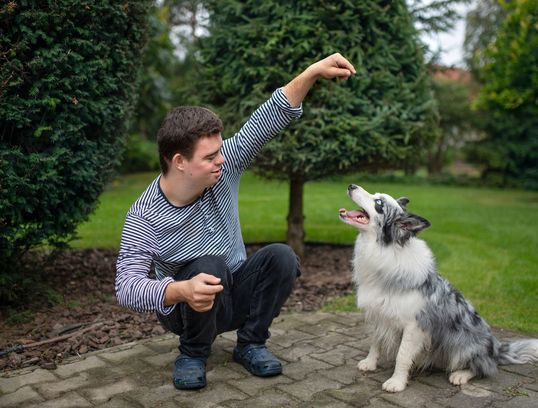
Short breaks for full-time carers
With PSS Shared Lives: Short Breaks, full-time carers can take a break from their usual care responsibilities while the person they support comes to stay with a PSS Shared Lives carer for a short space of time.
Shared Lives carers will provide the same standard and quality of care that the person would be used to getting when they're on their Short Break. This gives the full-time carer a rest, but also gives the person who is being supported the chance to have a change of scenery while being kept safe, happy and well.

PSS Shared Lives: Home From Hospital
Shared Lives: Home From Hospital is for people who have spent some time in hospital and are healthy enough to leave, but aren't quite feeling up to going back to their own home just yet.
You can come and stay with one of our PSS Shared Lives carers while you get back on your feet again. They'll support you to get your confidence back and help with the care you need to recover.
Once you're ready to go back to your own home, your carer can help get you settled in.
Finding the right PSS Shared Lives carer
Each of our carers is carefully matched with the person they’re supporting based on what the person we’re supporting needs, their lifestyles, the carer’s home and their personalities.
The match-making process is done by a specialist member of our team using our online matching platform, Matchinglives.com.
The person who needs support will be involved in reviewing and choosing the best match for them based on approved Shared Lives carer profiles. If a match is made, they're able to request initial home visits and even overnight trial ones.
This process helps to make sure that both the carer and the person using the service feel safe and happy before the arrangement is made.
Monitoring Shared Lives arrangements
Quality care is incredibly important to us at PSS. We review each arrangement six-weeks in to make sure things are going well for both the carer and the person being supported. If there are any difficulties, we’ll work through them. If it’s still really not working or if there are any concerns at that point, we’ll end the arrangement and make another match for the person we’re supporting.
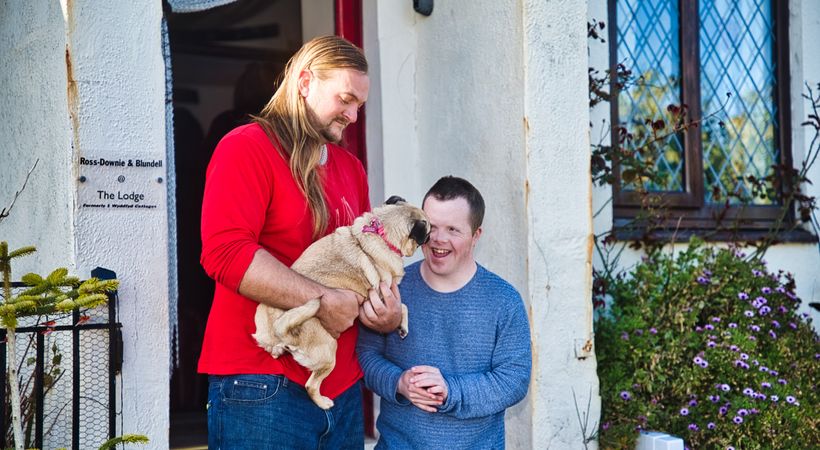
Who are our Shared Lives carers?
Our Shared Lives carers are people who come from all walks of life. Some people have had experience of caring for others in the past, maybe as part of their career; whereas others we train up from scratch. Some have grown-up children who’ve left home, some have large families who help to care, others live just with the person they support.
First and foremost, our carers are committed to improving the lives of others. They are caring, compassionate people who are willing to go that little bit further to make a difference in someone else’s life.
Do Shared Lives carers get paid?
Yes, Shared Lives carers receive a support fee for their time. The amount received depends on the needs of the person they are caring for. People using this service also pay a set amount towards the family food budget and household bills. In long-term placements, they are also helped to manage their own tenancy and to pay rent, usually through partial or full housing benefit.
Everything we're doing with PSS is bringing a positive outlook to the lives of the people using the Shared Lives service. Long may it continue.
David, social worker
How do we recruit PSS Shared Lives carers?
Our Shared Lives carer recruitment process is very robust and has been continually developed since we invented Shared Lives over 40 years ago – so we like to think we’re pretty good at it.
At PSS, our values and culture are really strong and a crucial part of our recruitment process. Our five values were developed by a team of staff and carers and represent the personal values needed by all PSS people, whether they manage our services or provide frontline care.
All potential Shared Lives carers go through an eight-step process:
- An initial meeting with one of our Shared Lives development workers
- Completion of a detailed application form
- Getting to know the applicant, their home and DBS checks
- Preparation of a personal profile for evaluation
- Assessment report produced by one of our Shared Lives development workers
- Engagement in PSS events and involvement with other carers
- Panel meeting for approval decision
- Formal training starts
We’ve got our own Shared Lives carer recruitment website: www.sharedlivescarers.com.
Make a referral to PSS Shared Lives
We accept referrals from social care professionals, NHS teams, families and friends of adults with support needs and adults with support needs themselves.
If you’d like to make a referral, please get in touch with the team closest to you:
- Merseyside: sharedlivesmerseyside@pss.org.uk
- Manchester: sharedlivesmanchester@pss.org.uk
- Midlands: midlandssharedlives@pss.org.uk
- Norfolk and Suffolk: sharedliveseast@pss.org.uk
- Lincolnshire: sharedliveslincs@pss.org.uk
- North Wales: wales@pss.org.uk
- North Yorkshire: northyorkshiresharedlives@pss.org.uk
Shared Lives stories
Kev's life after alcohol
When Kev first came to Shared Lives, he was struggling to live a full, independent life, with constant hospital stays. ‘Before Shared Lives, I was a total mess’, he says.
Hope's powerful voice
When we met Hope for the first time, she was living in supported accommodation. She wasn't happy there, and felt like the constantly changing staff team there never gave her the sense of stability or the safe space she needed to build up a sense of trust
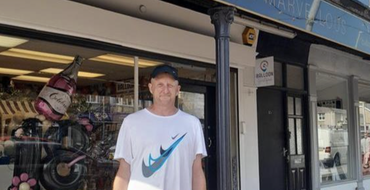
The 'Sunshine' of Llandudno
Before Paul found his Shared Lives home with Amanda and Paul, he faced challenges with anxiety, looking after his health, and finding a sense of belonging.
Find your local PSS Shared Lives scheme
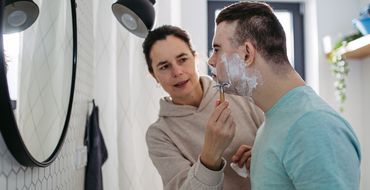
Shared Lives North Yorkshire
We support people with PSS Shared Lives across North Yorkshire, including in Botton Village.

PSS East Anglia
One of our biggest service areas, we run PSS Shared Lives in Norfolk and Suffolk.

PSS Shared Lives Merseyside
PSS Shared Lives Merseyside can support people in Liverpool, St Helens, Knowsley and Widnes.

PSS Shared Lives Manchester
We have a Shared Lives scheme in Manchester.

PSS Shared Lives Lincolnshire
There is support available from PSS Shared Lives in Lincolnshire.
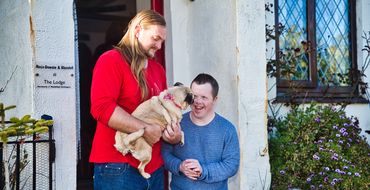
PSS Shared Lives North Wales
Learn more about how to get support from PSS Shared Lives in North Wales.

PSS Shared Lives Midlands
We provide a PSS Shared Lives service from Staffordshire.